


What is Dropshipping?
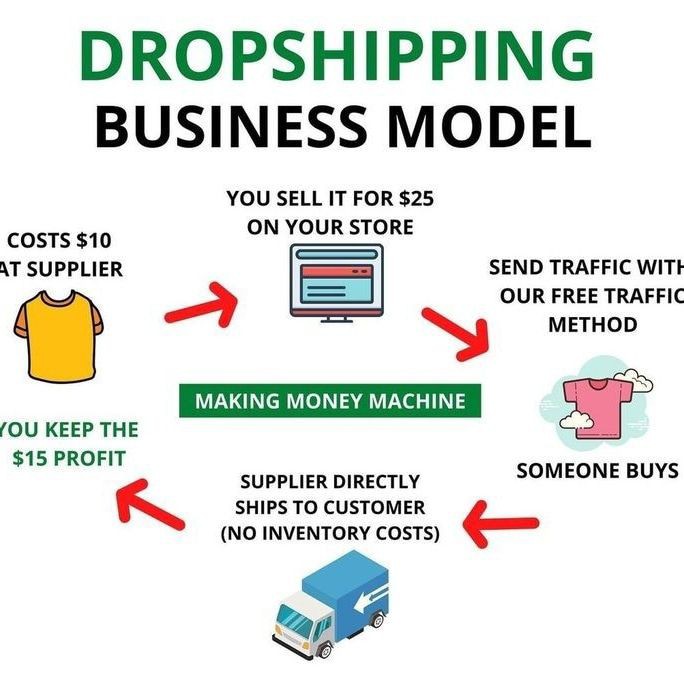
Dropshipping is an e-commerce business model where a store sells products without holding inventory. When a customer places an order, the item is purchased from a third-party supplier (usually a wholesaler or manufacturer) and shipped directly to the customer. This means the seller never handles the product, reducing overhead costs and simplifying logistics.
You can start by creating an online store using platforms like Shopify, WooCommerce, or BigCommerce. Products can also be sold on popular marketplaces such as Amazon and eBay.
How to Start Dropshipping (Step by Step)
1. Find a Supplier
Partner with a reliable supplier who offers shipping services. Popular platforms include AliExpress, Spocket, SaleHoo, and Oberlo.
2. List Your Products
Add products from your supplier’s catalog to your online store. Set your own prices to determine your profit margin.
3. Customer Places an Order
When a customer buys from your store, the order is automatically sent to the supplier. The supplier ships the product directly to the customer.
Advantages of Dropshipping
Low Startup Cost – No need to invest in inventory upfront.
No Inventory Management – Suppliers handle storage and shipping.
Flexibility – You can run your business from anywhere with an internet connection.
Wide Product Selection – Sell a variety of products without physical warehouses.
Scalability – Easily add more products and suppliers as your business grows.
Disadvantages of Dropshipping
Low Profit Margins – Competition is high, which can reduce profits.
Supplier Dependence – Product quality and shipping times depend on the supplier.
Shipping Issues – Working with multiple suppliers can cause inconsistent delivery times.
Customer Service Challenges – Handling returns and complaints is harder since you don’t control fulfillment.
High Competition – Dropshipping is popular, and saturated niches can be difficult to break into.
Tips for Success in Dropshipping
1. Choose a Niche Market – Focus on specific products or a target audience to stand out.
2. Research Suppliers – Work only with reliable suppliers that offer high-quality products and fast shipping.
3. Set Competitive Prices – Analyze competitors and set pricing that attracts customers while keeping profit.
4. Invest in Marketing – Use digital marketing strategies like SEO, social media ads, and email campaigns to drive traffic.
5. Monitor and Optimize – Track performance, study customer behavior, and improve your store to increase sales.